
If your tomato leaves are drooping by 3pm even though you watered that morning, you’re not doing anything wrong. You’re just gardening in a pot, in summer. Containers heat up fast and dry out even faster, and once temperatures climb into the 85-90°F range, yesterday’s watering schedule stops working. Here’s how to figure out what your plants actually need right now.
Why Container Plants Dry Out So Much Faster Than Garden Beds
In-ground soil is insulated by the earth around it and can draw moisture from deep down. A container is exposed on all sides — sun heats the pot walls directly, and there’s a hard limit on how much water the soil can hold. On a hot day, a 12-inch pot can lose enough water to visibly wilt a plant in just a few hours. That’s normal, but it’s also why “water every few days” advice from garden blogs doesn’t hold up once summer heat sets in.
What You’ll Need
- A finger (this is your best moisture meter!)
- A moisture meter probe, if you want a more precise reading
- A watering can or hose with a gentle shower-style nozzle
- Mulch (straw, shredded bark, or dried grass clippings)
1. Check Moisture Before You Water
Stick your finger 2 inches into the soil. If it’s dry at that depth, water. If it’s still damp, hold off, even if the surface looks dry — surface soil dries out first and isn’t a reliable signal on its own. Checking before every watering (rather than watering on a set schedule) is the single biggest fix for both over- and under-watering.
2. Expect to Water Daily Once Temps Pass 85°F
As a general rule for containers under 5 gallons in full sun:
- 70-84°F: every 1-2 days
- 85-95°F: daily, sometimes twice on the hottest days
- 95°F+: daily, and check again in the late afternoon — small pots can dry out completely by then
Larger containers (10+ gallons) hold more moisture and can often stretch a day longer between waterings, even in heat.
3. Water Deeply, Not Just Often
A light daily sprinkle wets only the top inch of soil and encourages roots to stay shallow, which makes plants even more heat-vulnerable. Instead, water slowly until you see it running out the drainage holes — that tells you the whole root zone got soaked, not just the surface. For a 12-inch pot, that’s usually somewhere around 1-2 quarts per watering, though exact amounts vary by pot size and what’s planted.
4. Water Early Morning, Not Midday
Watering between 6-9am gives roots time to absorb moisture before the heat of the day hits, and reduces evaporation loss. Watering in the blazing afternoon sun means a good chunk of what you pour on evaporates before it ever reaches the roots. If you can only water once a day, morning beats evening — evening watering can leave leaves damp overnight, which invites fungal issues.
5. Add a Layer of Mulch
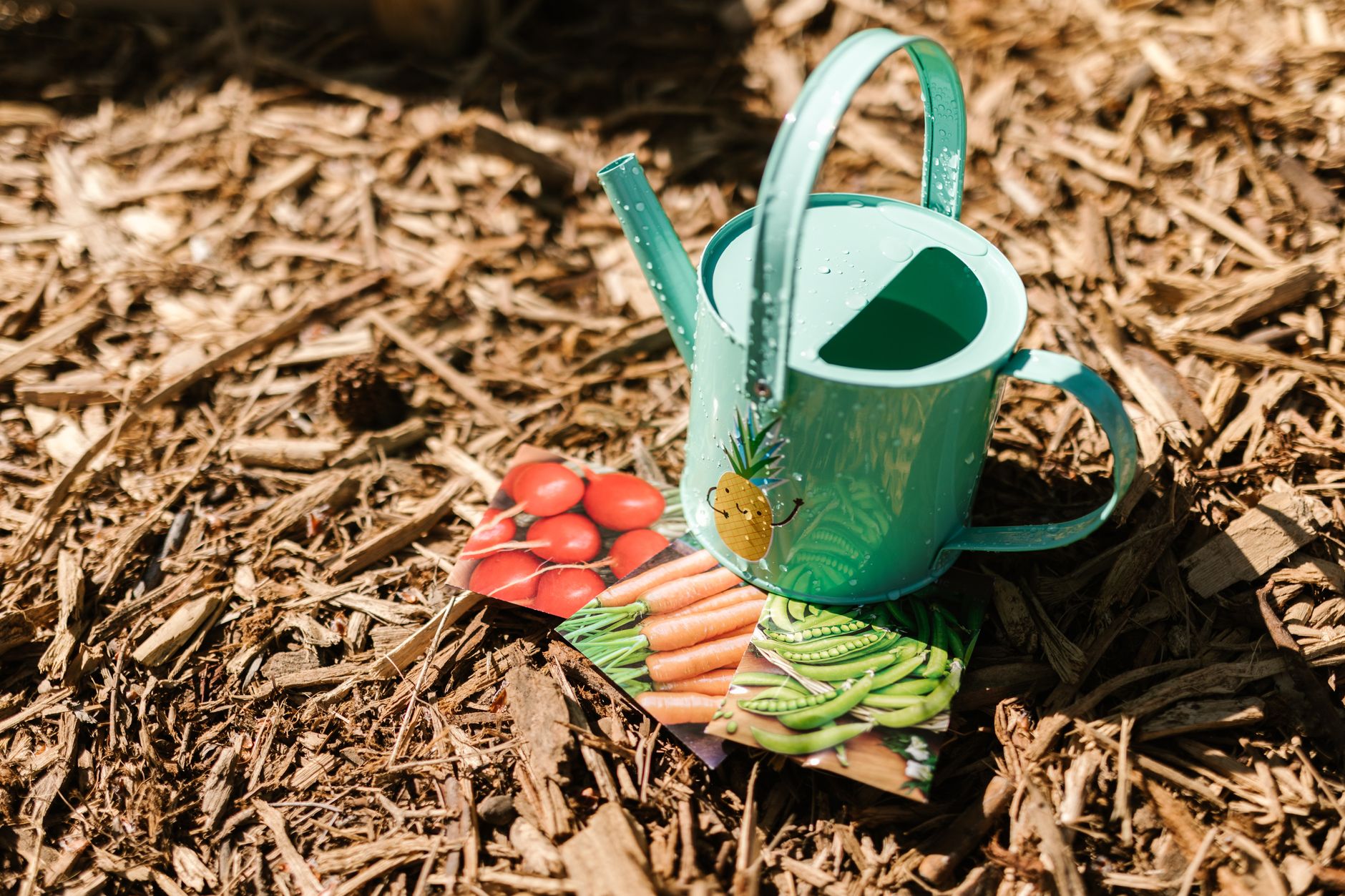
A 1-2 inch layer of mulch on top of your container soil slows evaporation significantly and can stretch the time between waterings, especially for containers in full sun all day. Straw, shredded bark, or even dried grass clippings all work well for small containers.
6. Give Plants a Break From Peak-Heat Sun
On the hottest days, even well-watered containers can wilt simply from direct sun between roughly 12-4pm. Moving pots to a shadier spot for those few hours — even just behind a taller plant or against a shaded wall — often does more for a plant than an extra watering would. If moving containers isn’t practical, a shade cloth rated for 30-40% shade (draped over a simple frame or clipped to a stake) knocks down the intensity of afternoon sun without blocking the light your plants still need.
7. Watch for the Signs of Under- and Overwatering
- Underwatered: leaves droop but perk back up within an hour of watering; soil pulls away from the pot edges
- Overwatered: leaves droop but stay droopy after watering; soil smells sour; yellowing lower leaves
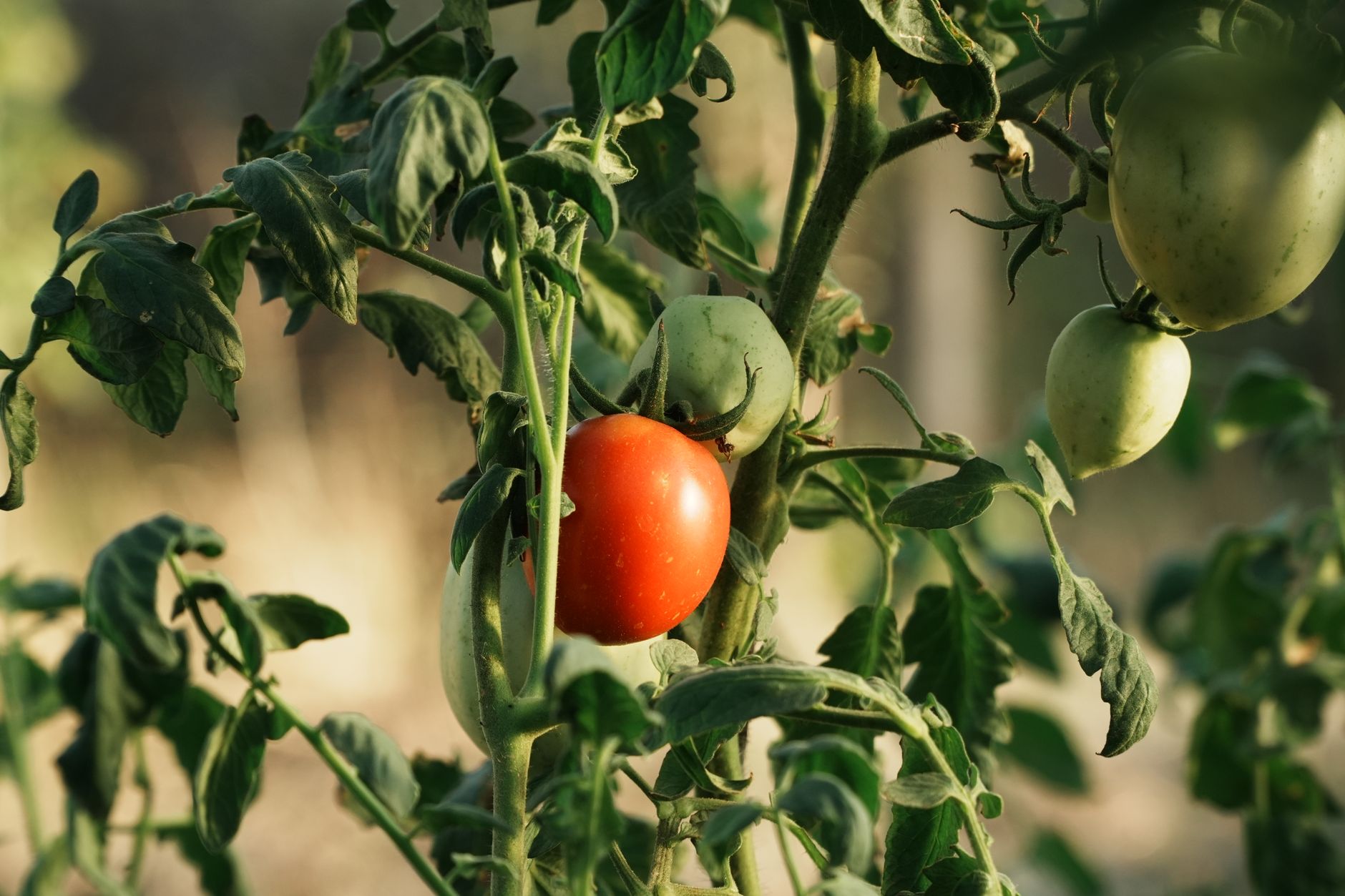
If a plant looks wilted but the soil is already moist, more water isn’t the fix — that’s usually a drainage or root problem, not a thirst problem.
Final Thoughts
Summer watering isn’t about a fixed schedule — it’s about checking in with your plants and adjusting to the heat day by day. Once you get in the habit of the finger test, it becomes second nature fast.
As an Amazon Associate, I earn from qualifying purchases. If you make a purchase through my affiliate links, I may earn a small commission at no extra cost to you.
 Backyard Veggie Garden