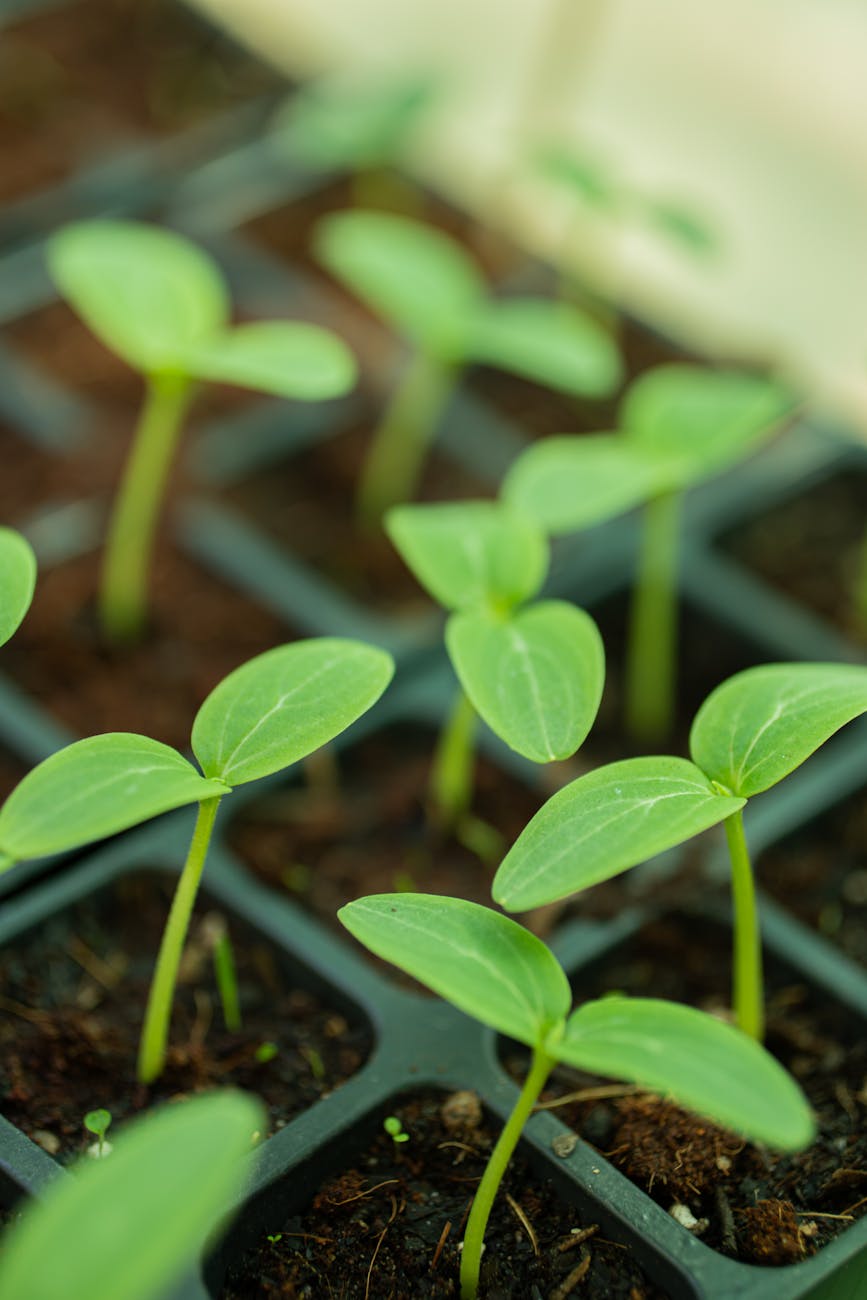
Starting seeds indoors is one of the best ways to get a head start on the gardening season — but timing matters. Starting too early can lead to leggy, stressed plants, while starting too late can shorten your harvest.
Since it’s late January and many regions are buried in snow, this guide will help you decide what to start now, what to wait on, and how your climate zone affects indoor seed starting — whether you garden in containers on a balcony or grow vegetables in raised beds in a small backyard.
Why Start Seeds Indoors?
Starting seeds indoors allows you to:
- Grow stronger plants before outdoor conditions are ready
- Extend the growing season
- Save money compared to store-bought seedlings
- Grow varieties not always available locally
It’s especially useful for vegetables that need a long growing season or warmer soil to thrive.
Step One: Know Your Climate Zone & Last Frost Date
Before starting seeds, you’ll want to know your USDA hardiness zone and average last frost date. Most seed packets list when to start seeds based on weeks before your last frost.
General guidelines:
- Cold climates (Zones 3–6): Last frost is often April–May
- Mild climates (Zones 7–9): Last frost is February–March
- Warm climates (Zones 10+): Many gardeners grow year-round
What You Can Start Indoors in Late January
If You’re in a Cold or Moderate Climate (Zones 3–7)
Late January is early, but perfect for slow-growing crops:
Start now:
- Onions (from seed)
- Leeks
- Celery
- Herbs like parsley and thyme
Wait until February–March for:
- Tomatoes
- Peppers
- Eggplant
If You’re in a Mild or Warm Climate (Zones 8–10)
Late January is prime seed-starting season.
Start now:
- Tomatoes
- Peppers
- Eggplant
- Broccoli, cabbage, cauliflower
- Basil and other herbs
You may even be planting cool-season crops outdoors already, depending on your weather.
Seeds Best Started Indoors (In General)
These vegetables benefit most from indoor starting:
- Tomatoes
- Peppers
- Eggplant
- Broccoli & cabbage
- Herbs (basil, parsley, oregano)
Seeds usually direct-sown outdoors include carrots, radishes, beans, peas, and beets.
Supplies You’ll Need
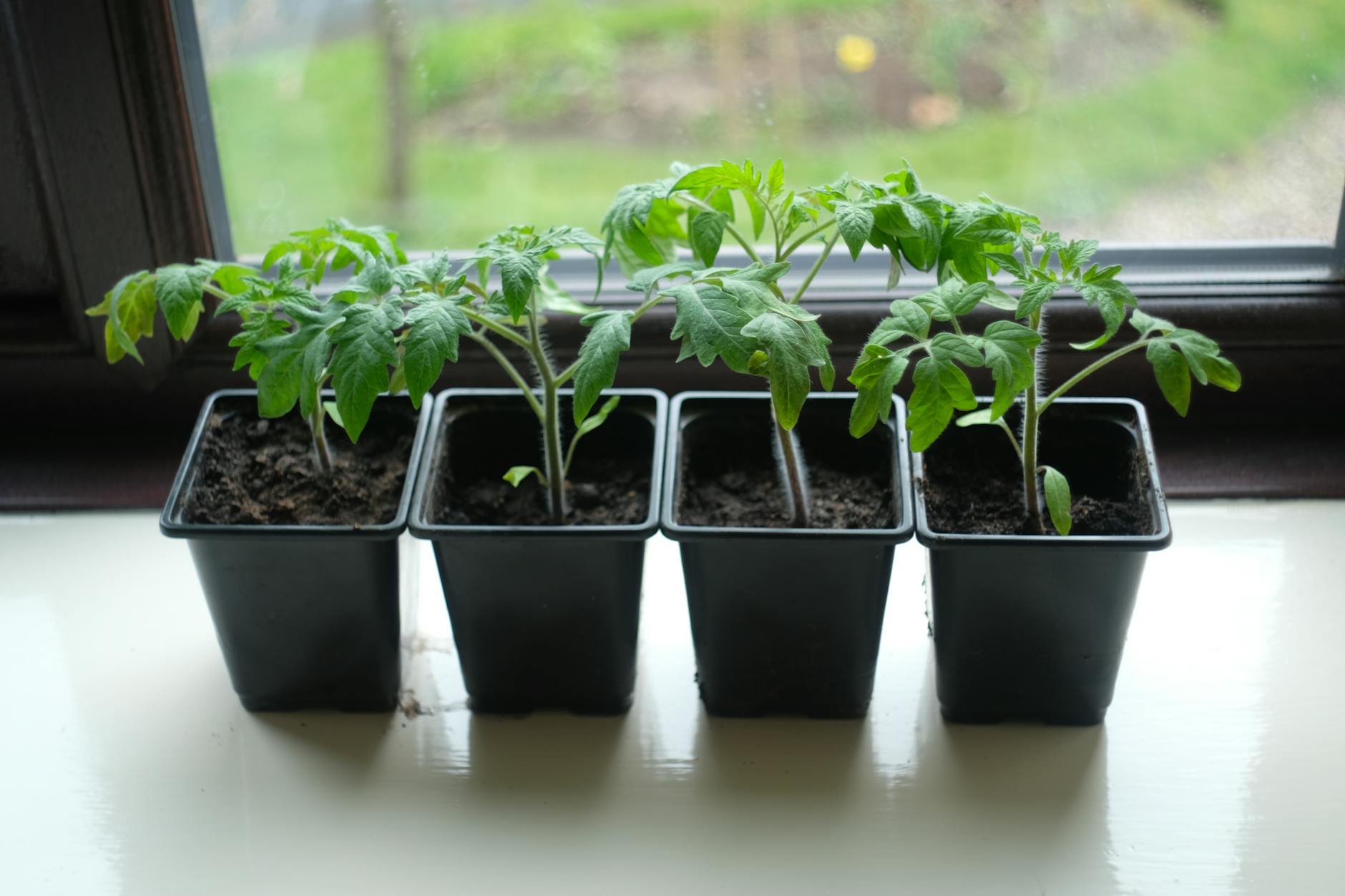
- Seed-starting trays or containers with drainage
- Seed-starting mix (lighter than potting soil)
- Seeds
- Seedling heat mat
- Grow light or bright window
- Spray bottle or gentle watering can
How to Start Seeds Indoors (Step-by-Step)
1. Fill Containers with Moist Seed-Starting Mix
Lightly moisten soil before planting. Avoid compacting it.
2. Plant at the Correct Depth
Plant seeds about twice as deep as their size. Tiny seeds should be pressed onto the surface.
3. Water Gently
Use a spray bottle to keep soil moist, not soaked.
4. Provide Adequate Light
Seedlings need 12–16 hours of light daily. January daylight is often too weak, so grow lights are strongly recommended.
5. Maintain Warm Temperatures
Most seeds germinate best between 65–75°F. January homes can be chilly, so warmth matters.
Caring for Seedlings
- Remove humidity domes once seeds sprout
- Water from the bottom when possible
- Rotate trays daily
- Thin seedlings so the strongest plant remains
Don’t Skip Hardening Off
No matter your climate, seedlings must adjust to outdoor conditions.
About 7–10 days before transplanting, gradually expose seedlings to outdoor light, wind, and temperature changes to prevent shock.
Final Thoughts
Seed starting indoors is all about timing and patience. Since it’s late January, focus on slow-growing crops if you’re in a colder climate, and take full advantage of the season if you live somewhere mild or warm.
🌱 Pro tip: Write your last frost date on a sticky note near your seed trays — it keeps everything on track and prevents starting seeds too early.
What seeds will you start indoors?
As an Amazon Associate, I earn from qualifying purchases. If you make a purchase through my affiliate links, I may earn a small commission at no extra cost to you.

